Soundproofing Knightsbridge: A Guide to Acoustic Glass for Luxury Penthouses

Living in a Knightsbridge penthouse comes with a certain expectation of tranquility. You've invested in one of London's most prestigious postcodes, and the last thing you need is traffic from Brompton Road or construction noise from the latest luxury development interrupting your morning conference calls with New York or your evening wind-down routine.
The challenge? Knightsbridge is vibrant, busy, and constantly evolving. The solution? High-performance acoustic glass that doesn't compromise the stunning views or architectural integrity of your property.
Why Standard Windows Don't Cut It in SW1X
Most luxury penthouses come with decent double glazing, but "decent" doesn't mean silent. Standard double glazing reduces noise by about 30-40 dB, which handles moderate urban hum but struggles with the specific acoustic challenges of Knightsbridge.
Think about it: delivery lorries servicing Harrods at 6am, the perpetual hum of high-end vehicles on Sloane Street, helicopter traffic heading to Battersea, and the occasional siren racing down Knightsbridge Road. These aren't just annoying background noises: they're sleep disruptors, productivity killers, and frankly, not what you signed up for when you paid £15 million for peace and privacy.
The Acoustic Glass Solution: What Actually Works
The key to effective soundproofing isn't just thicker glass: it's about understanding how sound waves travel and designing a system that disrupts them at multiple frequencies.
Laminated Acoustic Glass: The Gold Standard
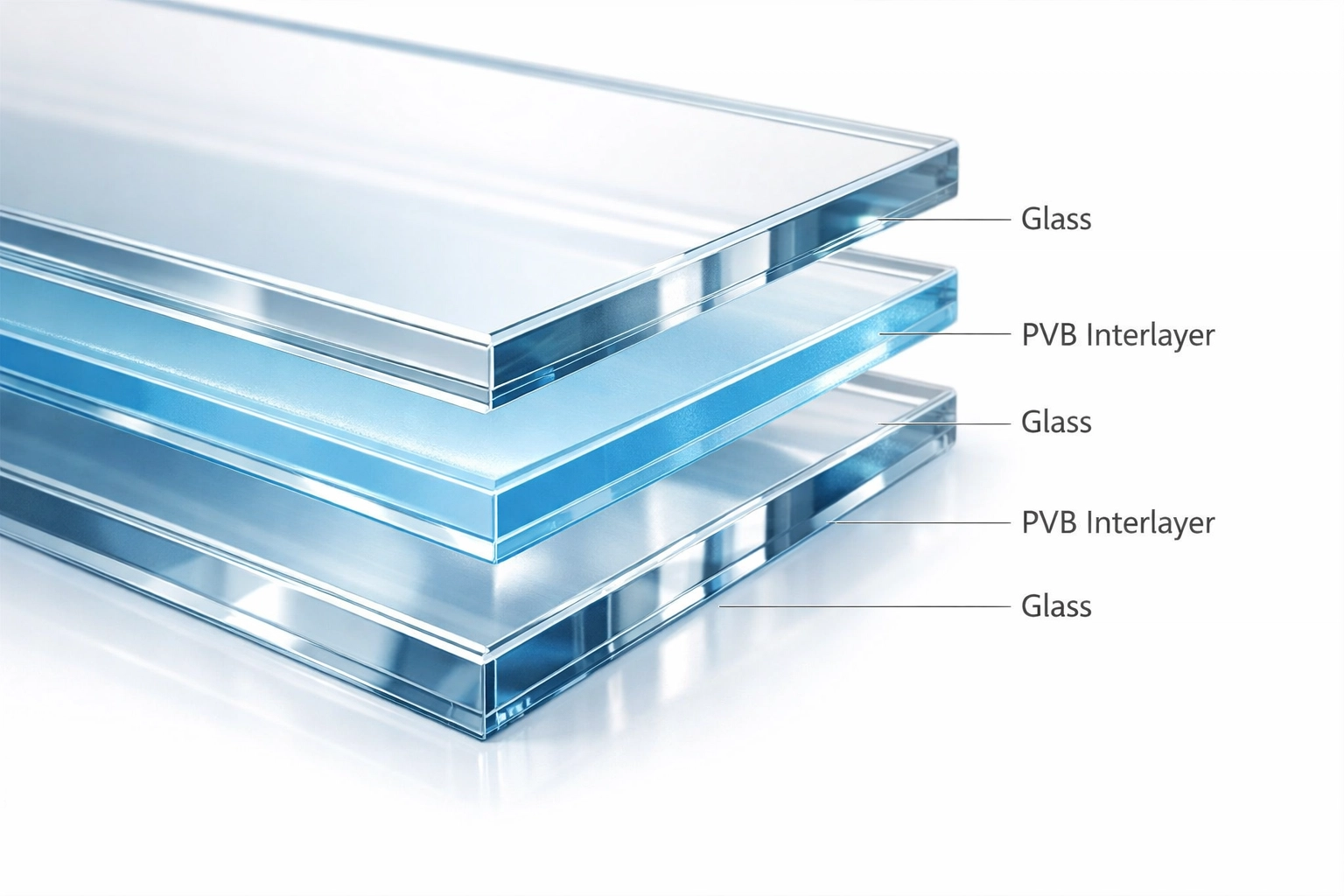
Laminated acoustic glass uses multiple layers of glass bonded together with specialized interlayers, typically made from polyvinyl butyral (PVB). The magic happens in these interlayers, which are specifically engineered to absorb vibrations rather than let them pass through.
For Knightsbridge penthouses, 10.8mm acoustic laminate has become the benchmark. This specification combines a 6mm outer pane with a 4mm inner pane, separated by a 0.8mm acoustic PVB interlayer. It's the same technology used in five-star hotels where guest experience is non-negotiable.
The result? You get noise reduction of up to 45-50 dB without the bulk of triple glazing or the aesthetic compromise of visible secondary units.
Secondary Glazing: The Discreet Powerhouse
Here's where things get interesting for penthouse owners. If you're in a building with management company restrictions or you don't want to replace perfectly good windows, Knightsbridge secondary glazing offers a brilliant alternative.
Secondary glazing means installing a slim, nearly invisible second pane on the interior side of your existing windows. When done properly by specialists like Secondary Glazing Specialist, it creates an insulated air gap that dramatically reduces sound transmission.
The advantages for penthouse living are significant:
- No external alterations (crucial for buildings with strict facade rules — and worth sense-checking against local planning context like the Knightsbridge Neighbourhood Plan (Westminster City Council))
- Installation typically completed in 1-2 days per room (and you can see a local area reference here: Secondary glazing installers in Knightsbridge)
- Can be color-matched to existing frames
- Provides thermal insulation as a bonus
- Reduces condensation issues
Double vs. Triple Glazing: What Makes Sense for SW7 and SW1X
If you're renovating completely or building new, you'll face the double versus triple glazing decision.
Double glazing with acoustic laminate glass and argon-filled gaps delivers 35-42 dB noise reduction. For most Knightsbridge locations away from the main thoroughfares, this is sufficient and keeps sightlines clean.
Triple glazing adds a third pane and second gas-filled gap, pushing noise reduction to 45-50 dB. This makes sense if you're directly above Sloane Street or facing Knightsbridge Road, but it comes with trade-offs: heavier frames, reduced light transmission, and a chunkier appearance that can feel less elegant.
For most luxury penthouses, high-performance double glazing with 10.8mm acoustic laminate strikes the perfect balance between performance and aesthetics.
Beyond Silence: The Other Benefits
Acoustic glass for your luxury penthouse isn't just about blocking noise. The same properties that stop sound waves also deliver several other advantages that matter in high-end residential settings.
Security Enhancement
Laminated acoustic glass is significantly harder to break through than standard glazing. The PVB interlayer holds the glass together even when shattered, creating a serious deterrent for the kind of opportunistic break-ins that can target high-value properties.
UV Protection
That 10.8mm laminate also filters out 99% of harmful UV rays. Your £50,000 velvet sofa and rare art collection stay protected without unsightly films or treatments.
Energy Efficiency
The same technology that stops sound also reduces heat transfer. Expect a noticeable drop in cooling costs during summer months: particularly relevant for south-facing penthouses with floor-to-ceiling glazing.
The Installation Reality: What to Expect
Let's be practical. You're a busy international executive or entrepreneur. The last thing you need is weeks of disruption.
Quality acoustic glass installation in a luxury penthouse typically takes 3-5 days per property, depending on the number of windows and complexity. The process involves:
- Acoustic survey – Specialists measure existing noise levels and identify problem frequencies
- Custom fabrication – Glass units manufactured to exact specifications (usually 2-3 weeks lead time)
- Installation – Professional fitting with acoustic seals and proper frame alignment
- Testing – Post-installation noise measurement to verify performance
If you're going the secondary glazing route through London Secondary Glazing, the timeline compresses significantly since you're working with existing window openings.
Getting the Details Right
Here's what separates mediocre acoustic glass installation from exceptional results:
Frame quality matters as much as glass. Gaps and poor seals around frames leak sound like a sieve. Insist on acoustic-grade seals and compression systems.
Different glass thicknesses disrupt more frequencies. Using 6mm on one side and 4mm on the other (rather than matching thicknesses) prevents resonance at specific frequencies.
The cavity width affects performance. For double glazing, a 16-20mm gap optimally balances acoustic and thermal performance.
Professional acoustic surveys prevent guesswork. Noise travels in unexpected ways through buildings. What works for a penthouse facing Hyde Park differs from one above Harvey Nichols.
Why This Matters for International Residents
If you're spending more time between London, Singapore, and Dubai than actually living in your Knightsbridge property, effective soundproofing becomes even more critical.
When you do return home, you want immediate restoration and sleep quality without the jet-lag adjustment period being worse because of external noise. Quality acoustic glass creates that sanctuary instantly.
For properties used as pieds-à-terre or corporate accommodation for visiting executives, soundproofing also protects your rental yield. Demanding international tenants won't tolerate noise disruption, and word spreads quickly in tight-knit expat communities.

The Investment Perspective
Acoustic glass for a typical 2,000 sq ft penthouse runs £15,000-£35,000 depending on specifications and number of windows. Secondary glazing comes in at the lower end of that range; full triple glazing replacement at the higher end.
Consider this against your property value. In Knightsbridge, we're talking about assets worth £5-30 million. A £25,000 investment that materially improves daily living quality, protects interiors, enhances security, and reduces energy costs isn't an expense: it's an obvious value-add.
Plus, acoustic performance is increasingly becoming a differentiator when reselling or renting high-end London property. Buyers and tenants actively ask about noise reduction specifications now.
Making It Happen
The best time to address acoustic issues is during a refurbishment, but the second-best time is now. Sound pollution in central London isn't improving, and every month of poor sleep or disrupted work-from-home productivity has a real cost.
Start with a proper acoustic assessment. Specialists can measure existing noise levels, identify problematic frequencies (is it low-frequency traffic rumble or high-frequency sirens?), and design a solution specific to your space.
For Knightsbridge penthouses, that usually means either 10.8mm acoustic laminate in high-performance double glazing for full replacements, or precision-fitted secondary glazing for properties where external alterations aren't possible.
Either way, you're looking at a solution that transforms your living experience while remaining completely invisible to anyone except you and your sound level meter.
Your penthouse should be a sanctuary, not a sound studio capturing every decibel of London life. With the right acoustic glass specification, that's exactly what it becomes.
Ready to Discuss Your Project?
Whether you need secondary glazing, heritage window restoration, or a bespoke glass solution — we're here to help.