Secondary Glazing in Chelsea: Luxury Comfort for Heritage Homes

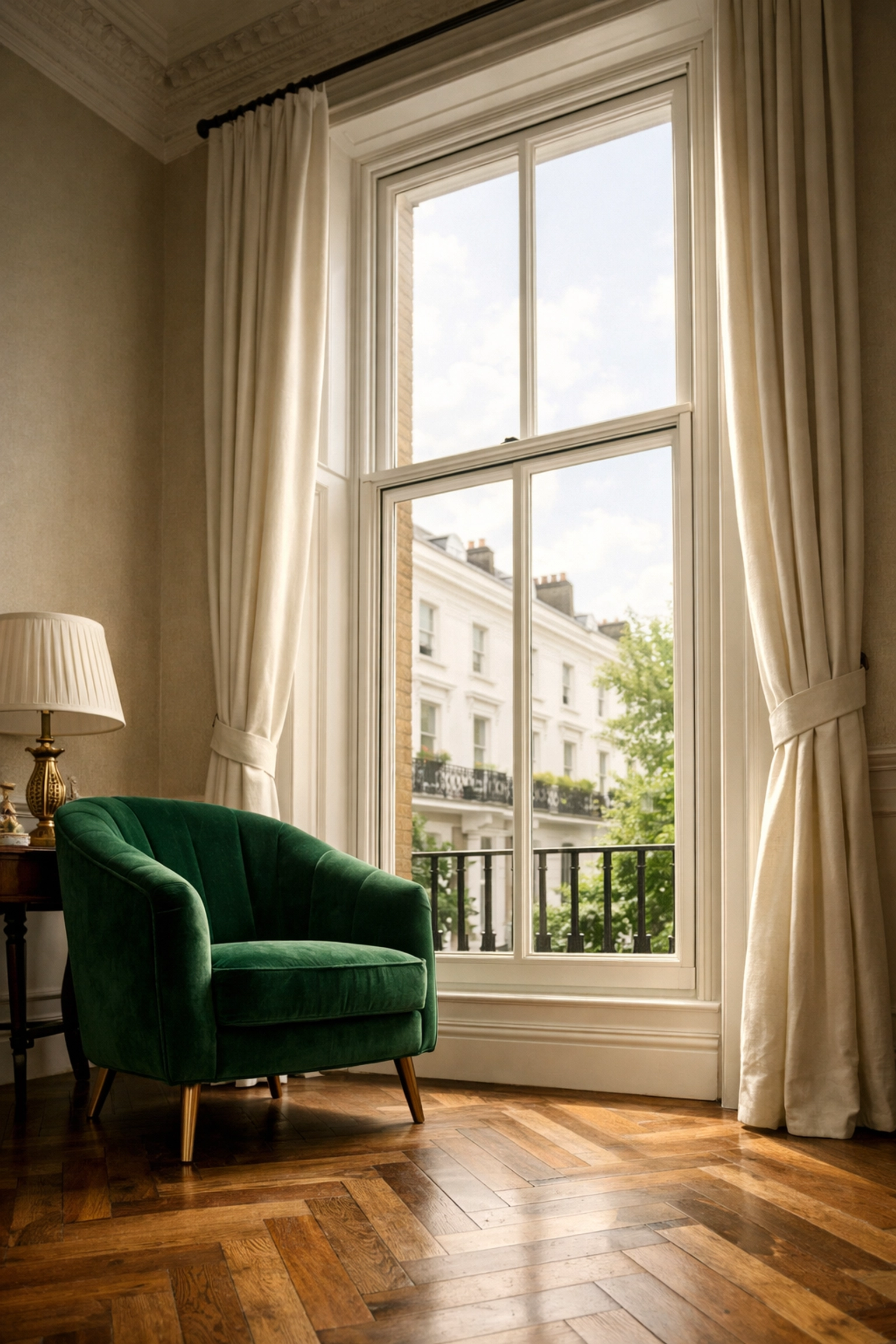
Chelsea has always been about striking the right balance. Victorian elegance meets contemporary living. Historic facades front homes with underfloor heating and smart home systems. So why should your windows be any different?
If you own a period property in SW3 or SW10, you already know the trade-offs: those beautiful original sash windows that give your home character also let in every passing bus on King's Road and leak heat like a sieve. But ripping them out for modern double glazing? That's not happening: not if you value your property's heritage or want to avoid a battle with the Royal Borough of Kensington and Chelsea planning department.
Enter secondary glazing: the discreet upgrade that gives you 21st-century performance without touching your 19th-century originals.
Why Chelsea Homeowners Choose Secondary Glazing
Secondary glazing installs a completely independent window on the interior side of your existing frame. Your original windows stay exactly as they are: untouched, reversible, and fully compliant with conservation requirements.
For listed buildings and properties within Chelsea's numerous Conservation Areas, this matters enormously. Historic England actively recommends secondary glazing as a sympathetic approach to improving historic building performance, and local planning authorities typically approve it without the need for listed building consent.
But beyond the planning advantages, secondary glazing delivers genuine performance improvements that double glazing simply can't match in period properties.
Noise Reduction: Peace on the King's Road
Let's talk about noise. If you live anywhere near King's Road, Fulham Road, or the Embankment, you know what we're dealing with. Chelsea might be one of London's most desirable postcodes, but it's not exactly quiet.
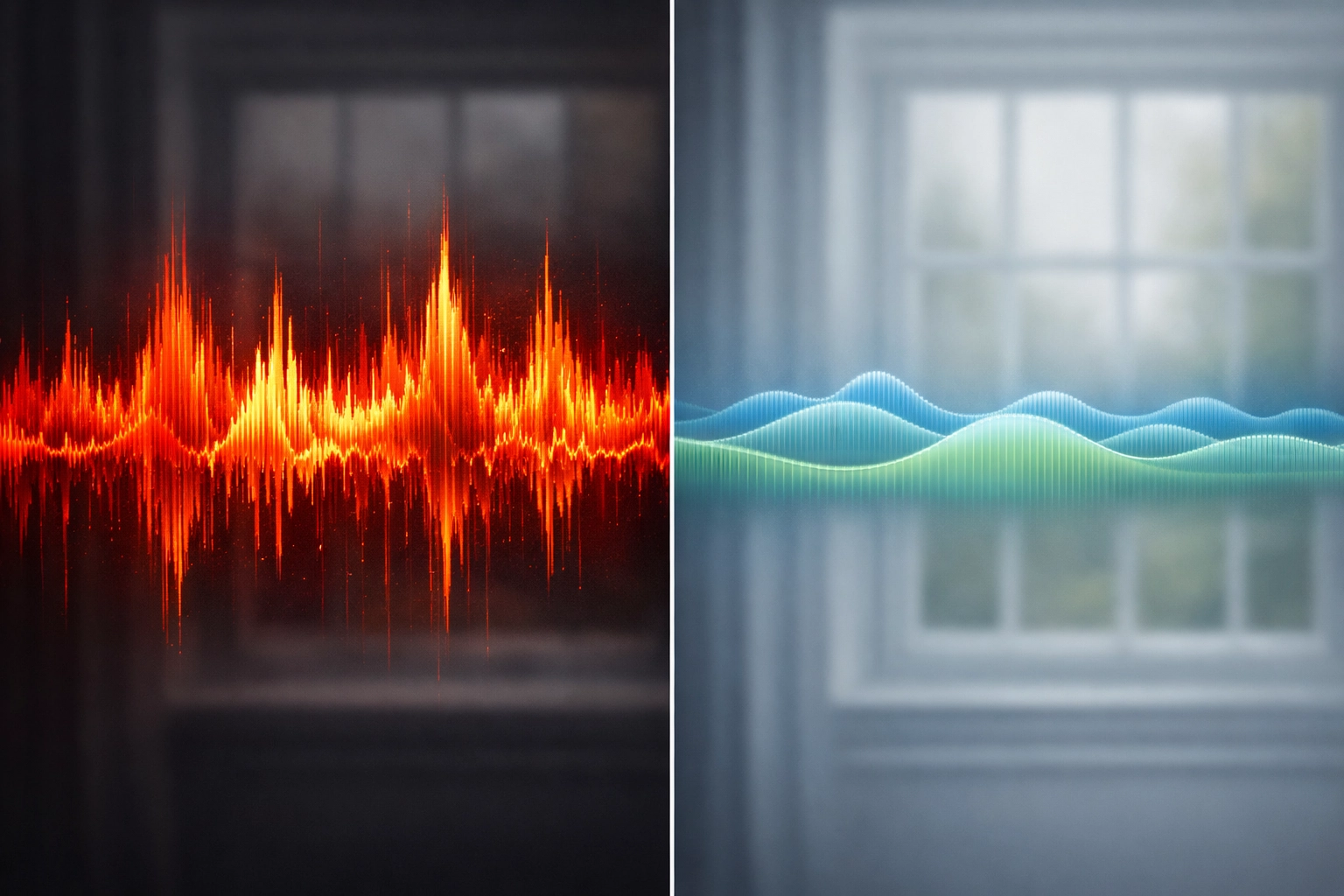
Secondary glazing creates a substantial air cavity between your existing window and the new internal pane: typically 100-150mm. This gap is the secret weapon. While double glazing uses just a few millimetres of space between panes, secondary glazing's generous cavity acts as an acoustic buffer that absorbs and dissipates sound energy.
The results are remarkable. Quality secondary glazing installations can reduce external noise by 70-80%, with premium specifications achieving up to 90% reduction. That's the difference between hearing every taxi and delivery van and actually enjoying a quiet morning coffee in your drawing room.
For properties facing particularly challenging noise environments: think main roads or commercial areas around Sloane Square: specifying 10.8mm acoustic laminate glass takes performance even further. This specialist glass incorporates a noise-dampening interlayer that targets specific frequencies, making it particularly effective against traffic rumble and low-frequency disturbances.
Thermal Performance: Victorian Elegance Without the Draughts
Chelsea's period properties are beautiful, but they weren't designed with energy efficiency in mind. Single-glazed sash windows, while characterful, are responsible for up to 25% of heat loss in a typical Victorian or Georgian home.
Secondary glazing can improve thermal performance by more than 60%, creating an insulating air gap that dramatically reduces heat transfer. The result? Lower heating bills, fewer draughts, and more consistent temperatures throughout your home.
This matters particularly for Chelsea's larger properties. If you're heating five or six floors across a Georgian terrace or a substantial Victorian villa, those efficiency gains translate into substantial cost savings: and a noticeably more comfortable living environment.
The Conservation Area Advantage
Chelsea is covered by multiple Conservation Areas, each with its own character and planning considerations. Whether you're in the Chelsea Conservation Area itself, the Carlyle Square Conservation Area, or one of the smaller designated zones, any external alterations to windows require careful navigation of planning restrictions.
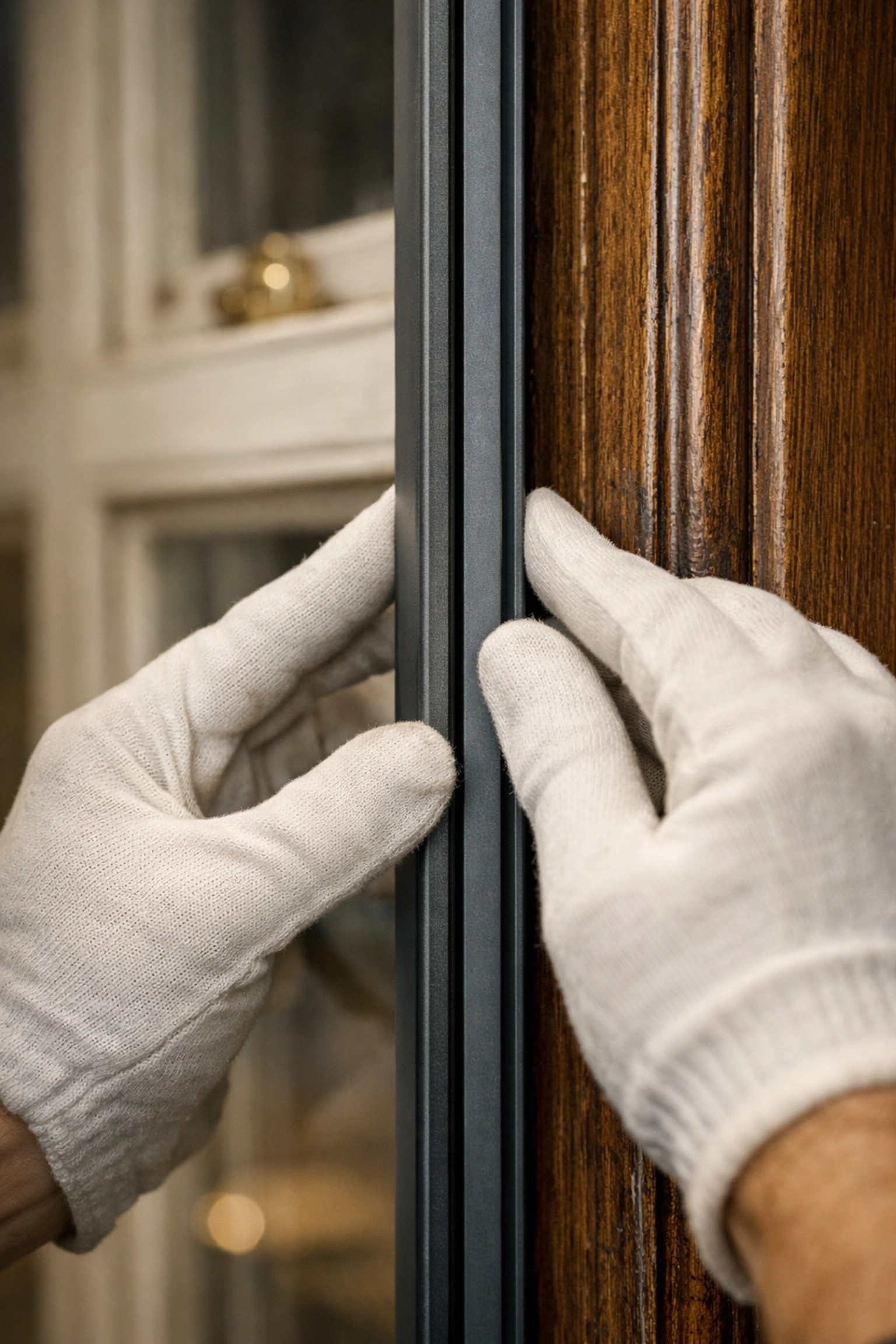
Secondary glazing sidesteps this entirely. Because it's installed internally and is fully reversible, it typically doesn't require planning permission or listed building consent. Your property's street-facing appearance remains unchanged: exactly what conservation officers want to see.
This reversibility also has practical advantages. If you ever need to restore or repair your original windows, the secondary glazing simply unclips and can be reinstalled afterward. No permanent alterations, no irreversible decisions.
Design Options for Discerning Homeowners
The "secondary glazing" of decades past: clunky white plastic frames that screamed "compromise": bears no resemblance to today's bespoke systems. Modern secondary glazing for Chelsea's luxury homes is precision-engineered to complement your property's existing architecture.
Frames come powder-coated in any RAL colour, with popular choices including heritage colours that match original joinery or contemporary shades like anthracite grey for a more modern aesthetic. Slimline aluminium profiles maximize glass area while minimizing visible framework: crucial for maintaining the elegant proportions of Georgian or Victorian windows.
For sash windows, vertical sliding secondary units maintain the original operation style. For casement windows, side-opening or lift-out designs ensure you retain easy access for cleaning and ventilation. Everything is measured and manufactured to millimetre precision, ensuring a tailored fit that respects your property's unique character.
Beyond Noise and Heat: Added Benefits
While thermal and acoustic performance are the headline benefits, secondary glazing delivers several other advantages:
Enhanced Security: A second barrier of laminated glass in tightly fitting aluminium frames creates a formidable obstacle for potential intruders. For ground-floor properties or basement flats: common in Chelsea's converted Victorian houses: this additional security layer provides genuine peace of mind.
Condensation Control: Period properties often suffer from condensation issues, particularly in bedrooms and bathrooms. The air gap created by secondary glazing moderates temperature differentials, significantly reducing condensation formation on your original windows.
UV Protection: Optional low-E glass coatings or UV-filtering glazing options protect interior furnishings, artwork, and fabrics from sun damage: particularly valuable if your property has south-facing rooms with valuable contents.
Soundproofing for Specific Chelsea Scenarios
Different Chelsea properties face different acoustic challenges. Understanding noise reduction strategies for urban homes helps target the right solution:
King's Road Properties: High traffic volumes demand maximum cavity depth and acoustic laminate glass. Consider asymmetric specifications: different glass thicknesses in the primary and secondary panes: to target multiple frequency ranges.
Embankment Locations: River-facing properties deal with road noise from the A3212 plus ambient urban sound. Full-perimeter secondary glazing that seals completely delivers the best results.
Garden Square Residences: Even Chelsea's quieter squares experience noise from neighbouring properties, gardens, and service access. Secondary glazing provides acoustic privacy in both directions: keeping external noise out and internal sound in.
The Installation Process
For Chelsea homeowners accustomed to high-end service, the installation process matters as much as the product itself. Reputable secondary glazing specialists understand that working in occupied luxury homes requires discretion, cleanliness, and minimal disruption.
Expect a thorough initial survey where every window is precisely measured and acoustic/thermal requirements discussed. Manufacturing typically takes 4-6 weeks, with installation often completable in a single day per room. Professional installers use dust sheets, work cleanly, and remove all waste: leaving nothing but improved windows behind.
Investment and Value
Secondary glazing represents a significant but worthwhile investment for Chelsea property owners. Costs vary based on specification: standard configurations start around £350-500 per window, while premium acoustic specifications with laminate glass and bespoke detailing can reach £800-1,200 per unit.
However, consider the alternatives. Full window replacement in a listed building (if even permitted) would cost substantially more and permanently alter your property's historic fabric. Double glazing in reproduction sash windows rarely achieves comparable acoustic performance and typically requires planning battles.
Secondary glazing delivers measurable returns through reduced heating costs, enhanced property value, and dramatically improved living comfort. For properties in Chelsea's premium price bracket, where buyers increasingly expect both heritage character and modern performance, secondary glazing represents intelligent future-proofing.
Why Chelsea's Discerning Homeowners Make the Switch
The Chelsea homeowner who chooses secondary glazing isn't compromising: they're optimizing. They understand that heritage and performance aren't mutually exclusive, that planning restrictions exist for good reasons, and that the right solution respects both the past and present.
Whether you're in a Grade II listed townhouse overlooking Cadogan Square or a Victorian conversion near World's End, secondary glazing for noise reduction offers a sophisticated answer to the eternal question: how do you make a period property work for modern life without losing what makes it special?
The answer, for more and more Chelsea residents, sits discreetly inside their original window frames — invisible from the street, transformative from inside.
Ready to Transform Your Chelsea Home?
Whether you need acoustic secondary glazing, heritage window solutions, or a bespoke consultation for your listed property — we're here to help.