Kensington's Period Properties: The Ultimate Guide to Secondary Glazing
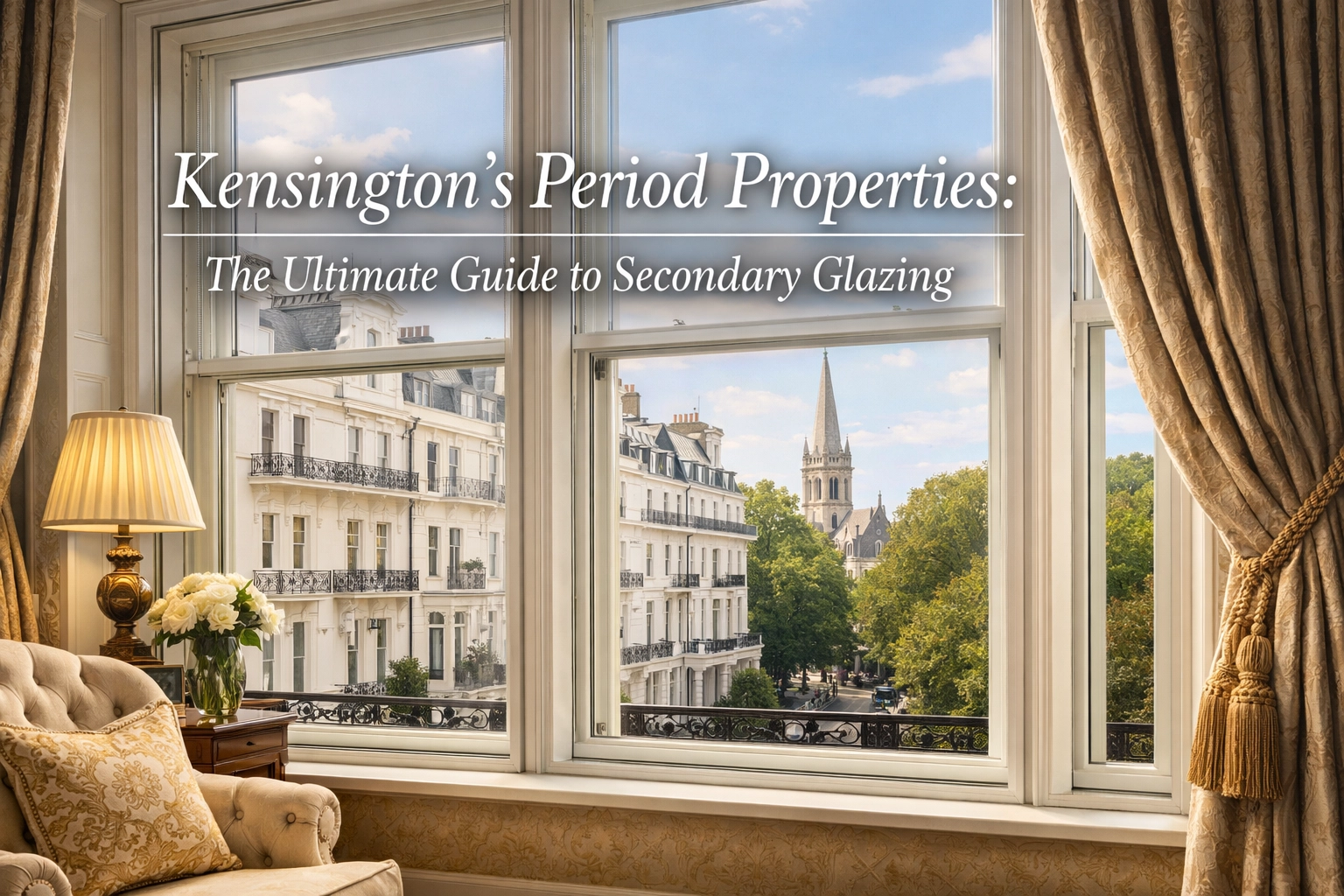
Kensington is home to some of London's most beautiful period properties. From Victorian villas on tree-lined streets to grand Edwardian terraces overlooking the gardens, these homes represent architectural heritage at its finest. But living in a period property comes with challenges: single-glazed windows that let in noise from busy London streets and send your heating bills through the roof.
If you own a period home in W8 or SW7, you're probably familiar with the dilemma: how do you improve comfort and energy efficiency without compromising the character that makes your property special? The answer is secondary glazing for listed buildings, a discreet solution that's revolutionizing how period property owners approach window upgrades.
Why Kensington Period Properties Need Specialist Window Solutions
Period properties in Kensington face unique challenges. The Royal Borough of Kensington and Chelsea has strict conservation guidelines, and for good reason: the architectural character of these homes is irreplaceable. Victorian sash windows with their elegant proportions and Edwardian casements with decorative glazing bars aren't just windows; they're part of London's architectural legacy.
But those beautiful original windows were never designed for modern living. Single glazing provides virtually no sound insulation against the constant hum of traffic on Kensington High Street or the rumble of the Underground beneath South Kensington. Heat loss through single-glazed windows can account for up to 25% of your home's total energy waste, making them the weakest point in your property's thermal envelope.
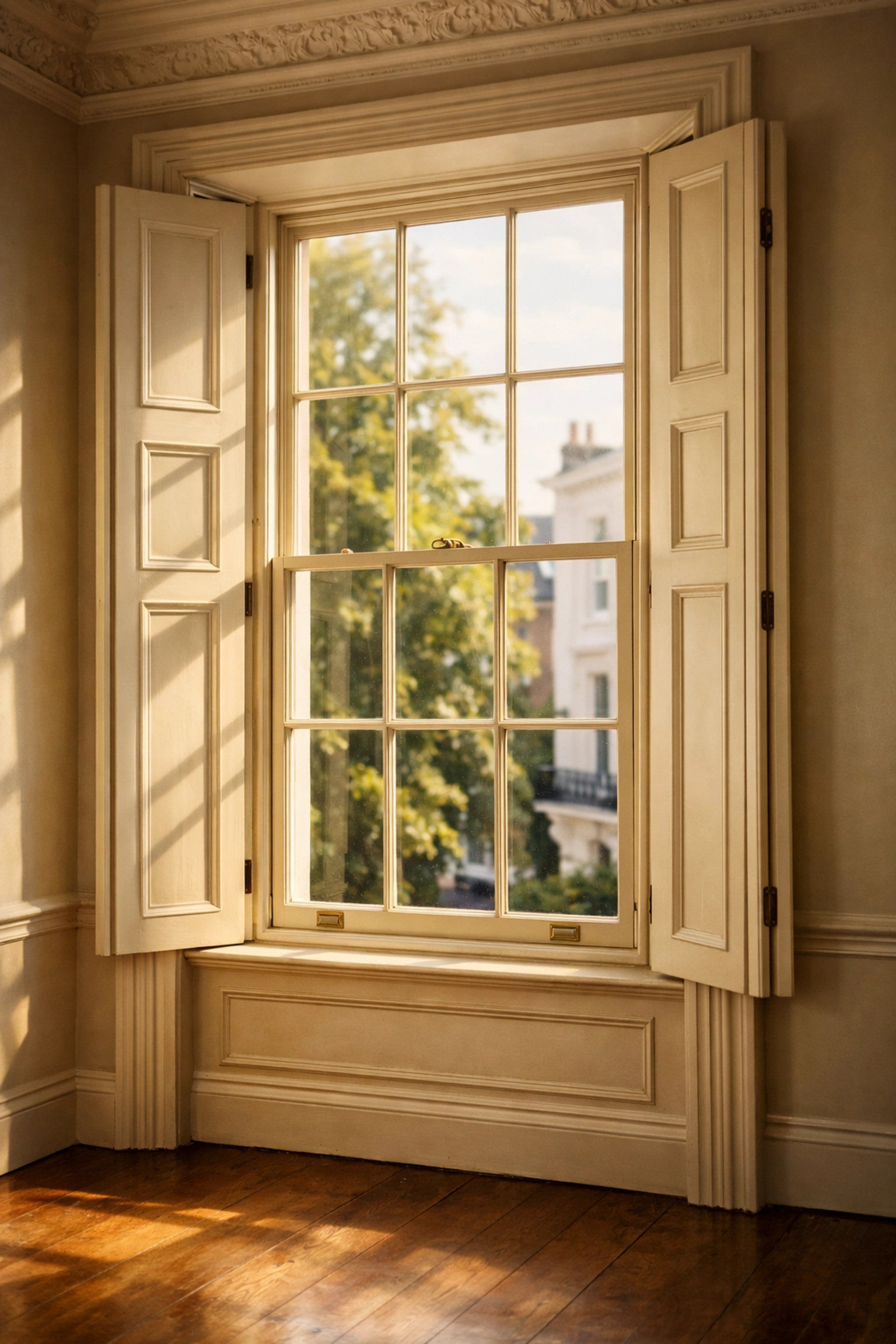
Traditional double glazing isn't an option for most period properties. English Heritage guidance makes it clear that replacing original windows fundamentally alters the character of heritage buildings. Even in non-listed properties within conservation areas, planning officers typically reject applications to remove original windows.
Understanding Secondary Glazing: The Reversible Solution
Secondary glazing works differently from replacement double glazing. Instead of removing your existing windows, a slimline additional pane of glass is fitted to the interior side of your window frame. This creates an insulating air gap between your original window and the new secondary pane.
The beauty of this approach is its reversibility. Because your original windows remain completely untouched, the installation complies with conservation requirements and can be removed without leaving any trace. For listed building owners, this makes secondary glazing the only practical solution for improving window performance.
Modern secondary glazing systems from specialists like Secondary Glazing Specialist are virtually invisible once installed. Custom-made to fit your exact window dimensions, the slimline aluminium frames can be powder-coated to match your existing décor, blending seamlessly with your interior.
The Science of Noise Reduction in Period Properties
If you live near a main road in Kensington, you already know how intrusive traffic noise can be. Standard double glazing reduces noise by around 20-30 decibels, but secondary glazing for noise reduction can achieve reductions of 40-50 decibels when properly specified.
The key is in the gap. While double glazing typically has a 12-20mm cavity between panes, secondary glazing can create gaps of 100-200mm between your original window and the secondary pane. This larger air cavity is far more effective at blocking low-frequency traffic rumble and vibration.
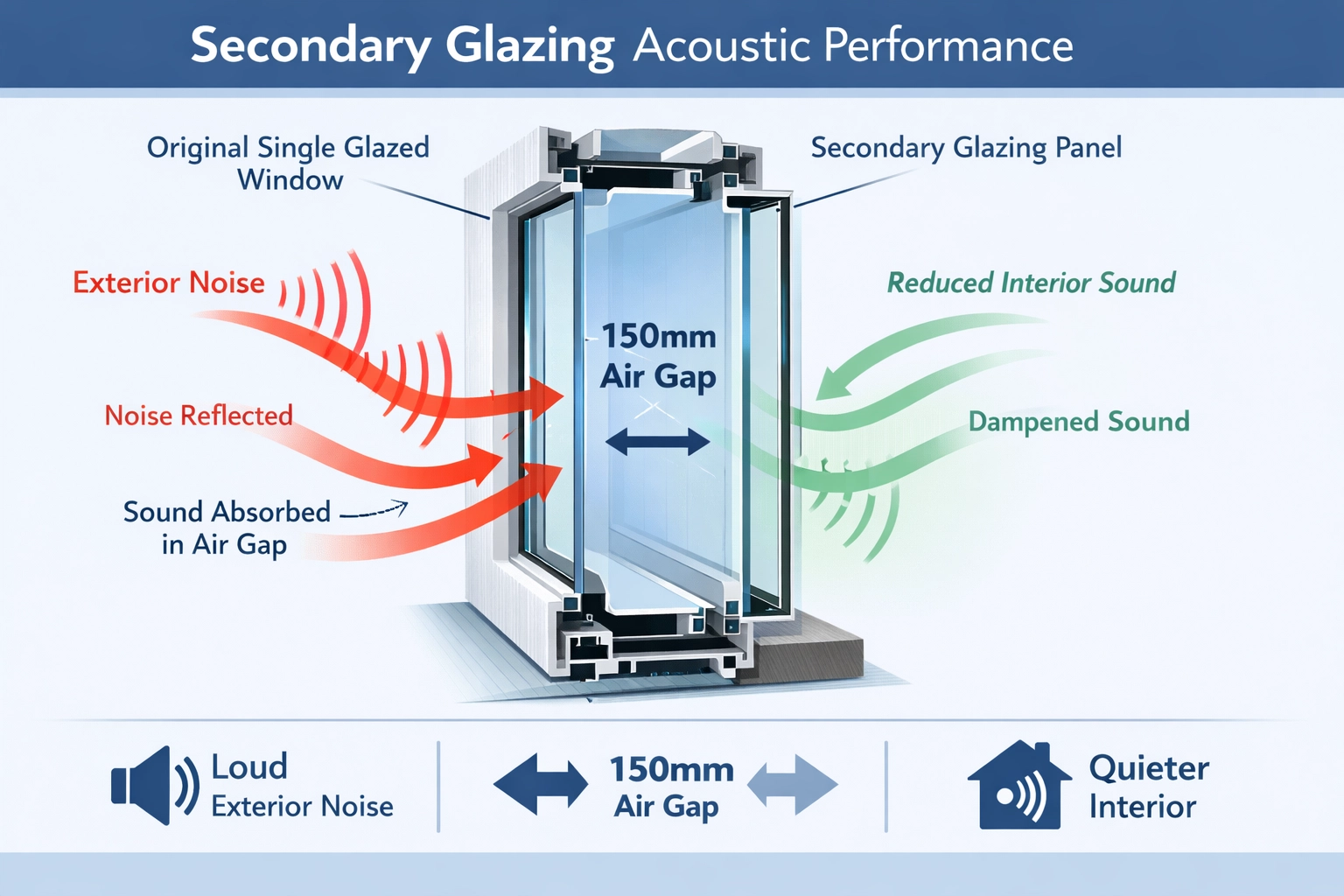
For ultimate acoustic performance, 10.8mm acoustic laminate glass is the gold standard. This specialized glass comprises two layers of glass bonded with an acoustic interlayer that dampens sound transmission. When installed as secondary glazing with a 150mm air gap, it delivers noise reduction that exceeds even triple glazing.
Properties near Gloucester Road or along the Cromwell Road benefit enormously from acoustic secondary glazing. The difference between constant traffic roar and peaceful sanctuary is transformative: many clients report being able to open their windows for fresh air while still maintaining comfortable sound levels indoors.
Thermal Performance: Cutting Energy Bills Without Sacrificing Character
Single-glazed windows are responsible for enormous heat loss in period properties. In winter, you can literally feel cold air radiating from the glass. In summer, they let in excessive solar heat. Either way, your energy bills suffer.
Secondary glazing reduces heat loss by 60-75%, bringing single-glazed windows up to modern insulation standards. The air gap acts as a thermal barrier, preventing warm air from escaping in winter and keeping heat out in summer. For a typical Victorian terrace in Kensington, this translates to annual heating bill savings of £800-£1,200.
Beyond direct cost savings, improved thermal performance makes your home more comfortable. Cold spots around windows disappear, condensation issues resolve themselves, and you'll need less heating to maintain comfortable temperatures. This also reduces your carbon footprint: an increasingly important consideration for environmentally conscious homeowners.
The noise reduction and thermal benefits work hand in hand. The same principles that block sound transmission also prevent heat transfer, making secondary glazing a dual-purpose upgrade that addresses the two biggest performance issues in period properties.
Navigating Listed Building Consent in Kensington
Kensington contains thousands of listed buildings, from grand mansion blocks to individual Victorian villas. If your property is Grade I, Grade II*, or Grade II listed, you'll need listed building consent for most alterations: but secondary glazing's reversible nature means it's usually approved.
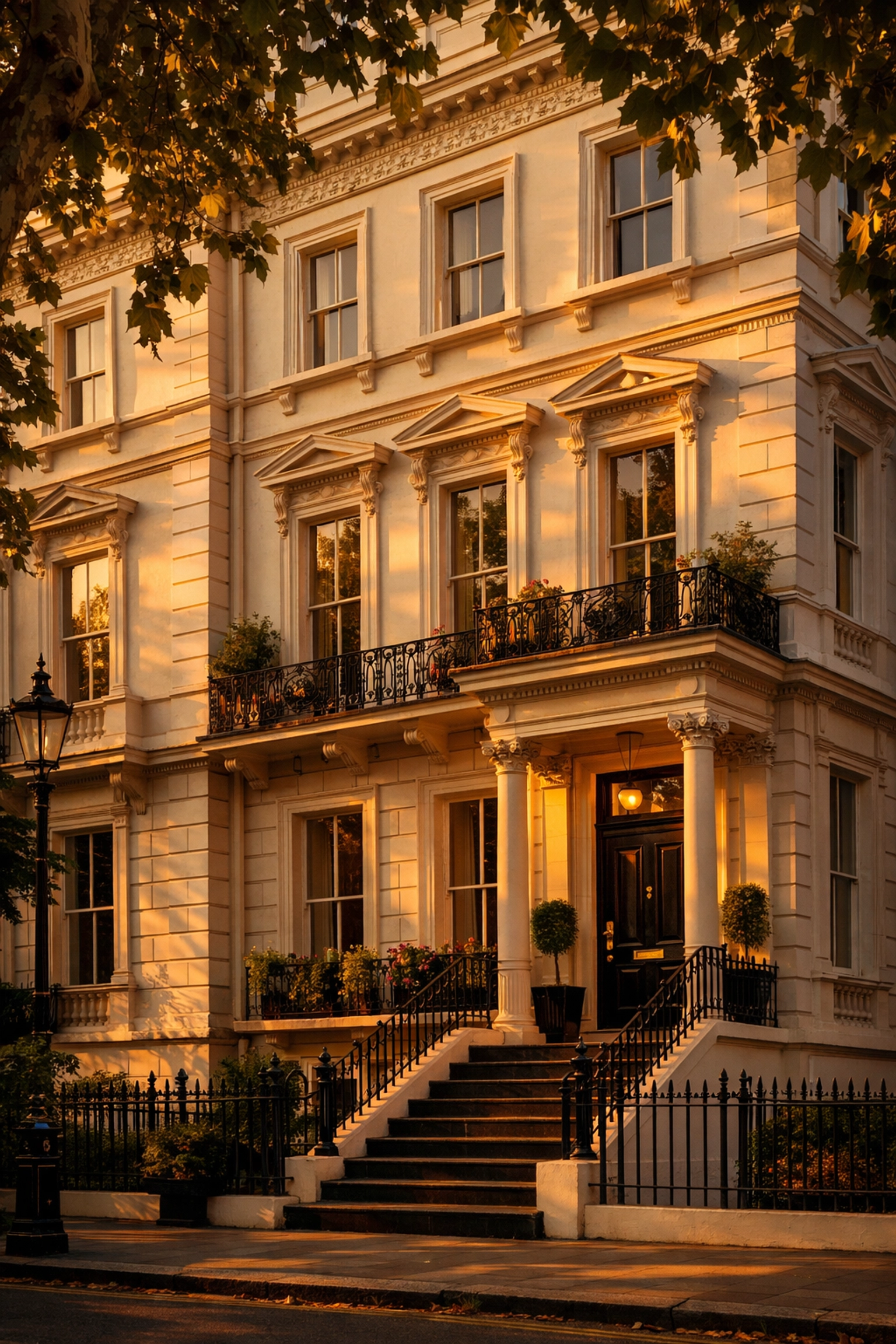
The Royal Borough's conservation team evaluates applications based on impact to architectural character. Because secondary glazing is fitted internally and leaves original windows intact, it meets their criteria for sympathetic enhancement.
That said, specification matters. Conservation officers prefer slimline systems with minimal visual impact. High-quality installations use slim aluminium frames in appropriate colours: typically white for Victorian interiors, though custom colour matching is available. The key is choosing a specialist who understands conservation requirements and can provide detailed drawings for planning applications.
Even in conservation areas where properties aren't individually listed, secondary glazing offers the safest route to window performance upgrades. Planning officers consistently approve applications because the solution respects the area's architectural character while delivering measurable performance benefits.
Choosing the Right System for Your Kensington Home
Not all secondary glazing is created equal. Budget systems with chunky plastic frames and poor sealing might save money upfront but deliver disappointing results. For period properties in prime Kensington locations, investment in quality pays dividends.
Key factors to consider:
Frame profiles: Slimline aluminium systems offer the best combination of strength, durability, and aesthetics. Look for 20-25mm sightlines that minimize visual impact.
Glass specification: Standard 4mm glass works for thermal insulation, but 6.4mm or 10.8mm acoustic laminate glass is essential for serious noise reduction.
Opening configurations: Sash windows typically suit vertical sliding secondary glazing, while casements work with hinged or lift-out systems. Custom solutions accommodate bay windows, arched windows, and unusual shapes common in period properties.
Installation quality: DIY systems rarely deliver professional results. Specialist installers take precise measurements, ensure airtight sealing, and integrate systems seamlessly with existing architecture.
For properties in Kensington, working with established secondary glazing specialists in London ensures you receive expert advice on system selection, planning compliance, and professional installation.
The Investment: Costs and Returns
Secondary glazing represents a significant investment, but one that delivers both immediate comfort improvements and long-term financial returns. For a typical four-bedroom Victorian terrace in Kensington, expect costs of £8,000-£15,000 for comprehensive secondary glazing across all windows.
This compares very favorably to replacement double glazing, which for period-style replicas would cost £15,000-£25,000: and still require planning consent that's unlikely to be granted for listed buildings. Secondary glazing delivers superior acoustic performance at lower cost while preserving your original windows.
Energy savings alone typically deliver payback within 8-12 years, but the real value lies in transformed living experience. Peaceful rooms, stable temperatures, and eliminated draughts make your home genuinely more comfortable year-round.
Property value also benefits. Period properties with sympathetic upgrades that preserve character while addressing performance shortcomings appeal strongly to discerning buyers. Secondary glazing demonstrates thoughtful stewardship: you've invested in comfort without compromising heritage.
Kensington Success Stories
Throughout Kensington, period property owners are discovering how secondary glazing transforms their homes. A Grade II listed Victorian villa near Holland Park recently installed acoustic secondary glazing with 10.8mm laminate glass, reducing traffic noise from the busy road outside by 45 decibels. The owners report being able to work from home in comfort for the first time.
An Edwardian mansion flat in South Kensington saw annual heating bills drop by £950 after comprehensive secondary glazing installation. Condensation that had plagued bathroom and kitchen windows completely disappeared, and the property now maintains comfortable temperatures with reduced heating.
These aren't isolated examples. Across W8 and SW7, period property owners are choosing secondary glazing as the intelligent solution to window performance challenges. It's a rare upgrade that improves comfort, reduces running costs, and actually enhances property value: all while respecting the architectural heritage that makes Kensington properties special.
Taking the Next Step
If you're living with cold, noisy windows in a period property, secondary glazing offers a proven solution. The technology has evolved significantly in recent years, with slimline systems and advanced acoustic glass delivering performance that would have seemed impossible a decade ago.
Start by arranging a consultation with a specialist installer who understands period properties and conservation requirements. They'll assess your specific windows, discuss your priorities around noise reduction and thermal performance, and recommend appropriate glass specifications and frame configurations.
For listed buildings, they'll also advise on the consent process and can provide drawings and specifications for planning applications. Most installations proceed smoothly through the planning system, particularly when applicants demonstrate that they've chosen quality systems designed to minimize visual impact.
Your Kensington period property deserves a solution that respects its heritage while delivering modern comfort. Secondary glazing achieves exactly that balance: preserving the windows that define your home's character while creating the peaceful, energy-efficient interior that modern living demands.
Ready to Transform Your Kensington Home?
Whether you need acoustic secondary glazing, heritage window solutions, or a bespoke consultation for your listed property — we're here to help.