The Discreet Solution: Why Mayfair's Finest Heritage Homes Choose High-Acoustic Secondary Glazing
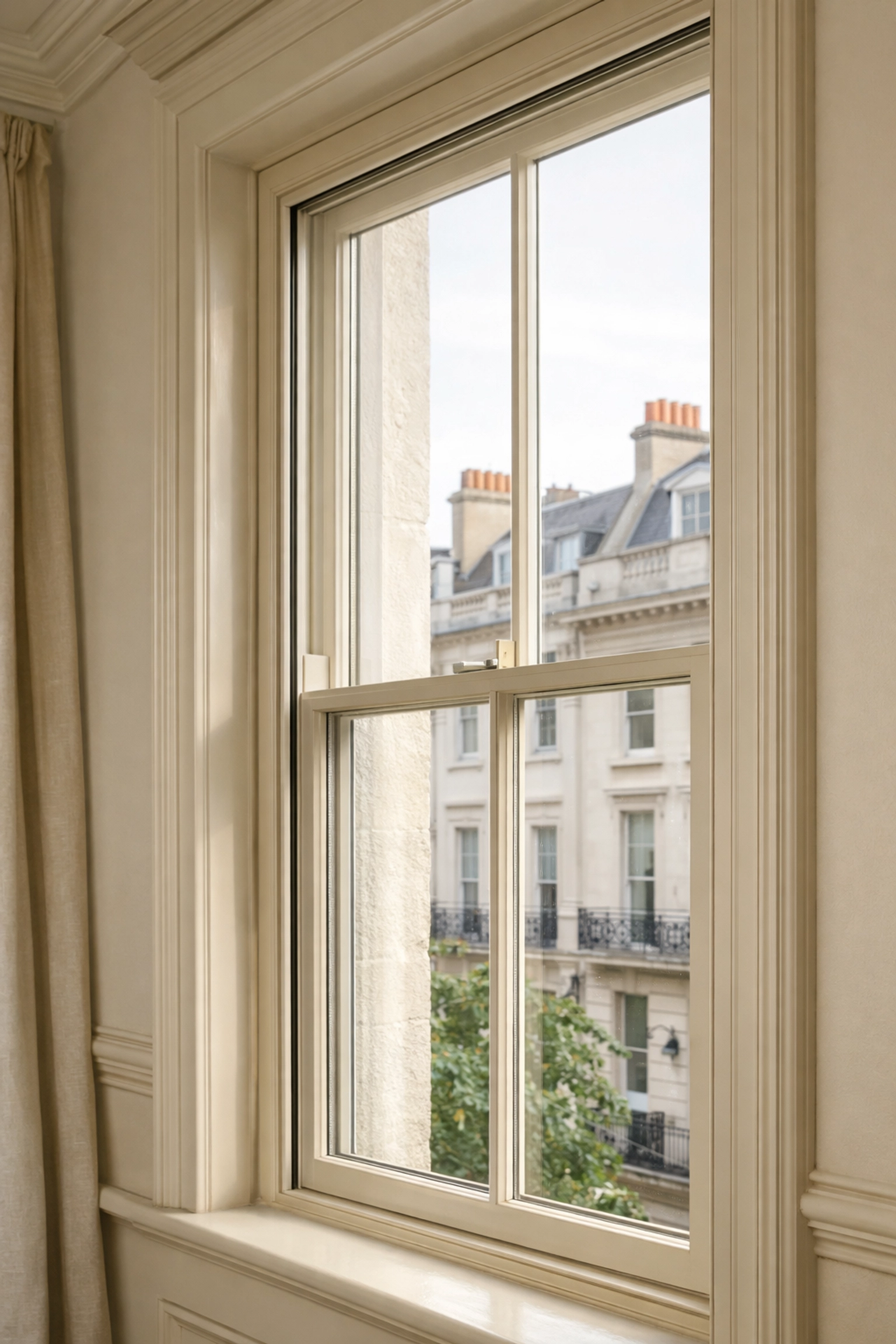
Living in a Mayfair heritage home comes with undeniable prestige. The Georgian facades, original sash windows, and architectural details that define postcodes like W1K aren't just aesthetic choices: they're part of London's history.
But there's a problem nobody talks about at dinner parties: the noise.
Traffic on Park Lane. Late-night revellers spilling out of Mount Street restaurants. Construction projects that seem to pop up overnight. Your beautiful period home, with its single-glazed windows that can't legally be replaced, lets every decibel straight through.
Traditional double glazing? Not an option for listed buildings or conservation areas. Planning authorities won't approve it, and frankly, it would destroy the very character that makes your property valuable in the first place.
This is where high-acoustic secondary glazing enters the picture: and why it's become the worst-kept secret among Mayfair's heritage property owners.
What Actually Is Secondary Glazing?
Think of it as an invisible upgrade. Secondary glazing installs a discreet secondary pane of glass on the interior side of your existing windows. Your original period windows stay exactly as they are: untouched, unaltered, and fully compliant with heritage regulations.
From the street, your home looks identical. From inside? You've just reduced external noise by up to 80%.
The system works because it creates an air gap between your original window and the new internal pane. This gap acts as an acoustic buffer, dramatically reducing sound transmission without compromising the exterior appearance that planning authorities (and your neighbors) care about.
For heritage homes, this reversibility matters. Unlike replacement windows that permanently alter historic fabric, secondary glazing can be removed without leaving a trace. It's the preservation-friendly solution that conservation officers actually approve.
The Mayfair Noise Problem Nobody Admits
Let's be honest about living in central London. The location is unbeatable. The architecture is stunning. The noise is relentless.
A typical conversation in a Mayfair drawing room shouldn't be interrupted by the 414 bus route or weekend traffic heading toward Hyde Park Corner. Yet single-glazed Georgian windows: beautiful as they are: offer virtually no acoustic protection.
You've probably tried the usual fixes. Heavy curtains. Shutters. Maybe you've even considered moving bedrooms to the rear of the property. These are workarounds, not solutions.
Soundproof secondary glazing solves the actual problem. Properties in SW1X and W1J that have installed high-acoustic systems report transformative results: especially in bedrooms and studies where peace matters most.
The key is in the glass specification. Standard secondary glazing uses 4mm or 6mm panes. For serious noise reduction in urban environments, you need 10.8mm acoustic laminate glass. This specialized glass includes a sound-dampening interlayer that targets the specific frequencies of traffic noise, voices, and urban activity.

Why Listed Buildings Need a Different Approach
If your property is listed or sits within a conservation area: which covers significant portions of Mayfair, Belgravia, and Knightsbridge: you already know the restrictions. Planning authorities exist to protect architectural heritage, and they take their job seriously.
Secondary glazing for listed buildings works because it checks every box:
- No exterior alteration: Original windows remain visible from the street
- Reversible: Can be removed without damaging historic fabric
- Approved: Regularly specified by conservation officers
- Effective: Delivers modern performance with period aesthetics
Properties on streets like South Street, Carlos Place, and Mount Row have successfully installed secondary glazing systems that satisfy both heritage requirements and acoustic needs. The frames can be powder-coated to match existing window reveals, making them virtually invisible when closed.
For homeowners of listed period properties, this represents the only practical path to improved comfort without compromising architectural integrity or property value.
The Technical Advantage: 10.8mm Acoustic Laminate
Not all secondary glazing delivers the same results. The difference lies in glass specification.
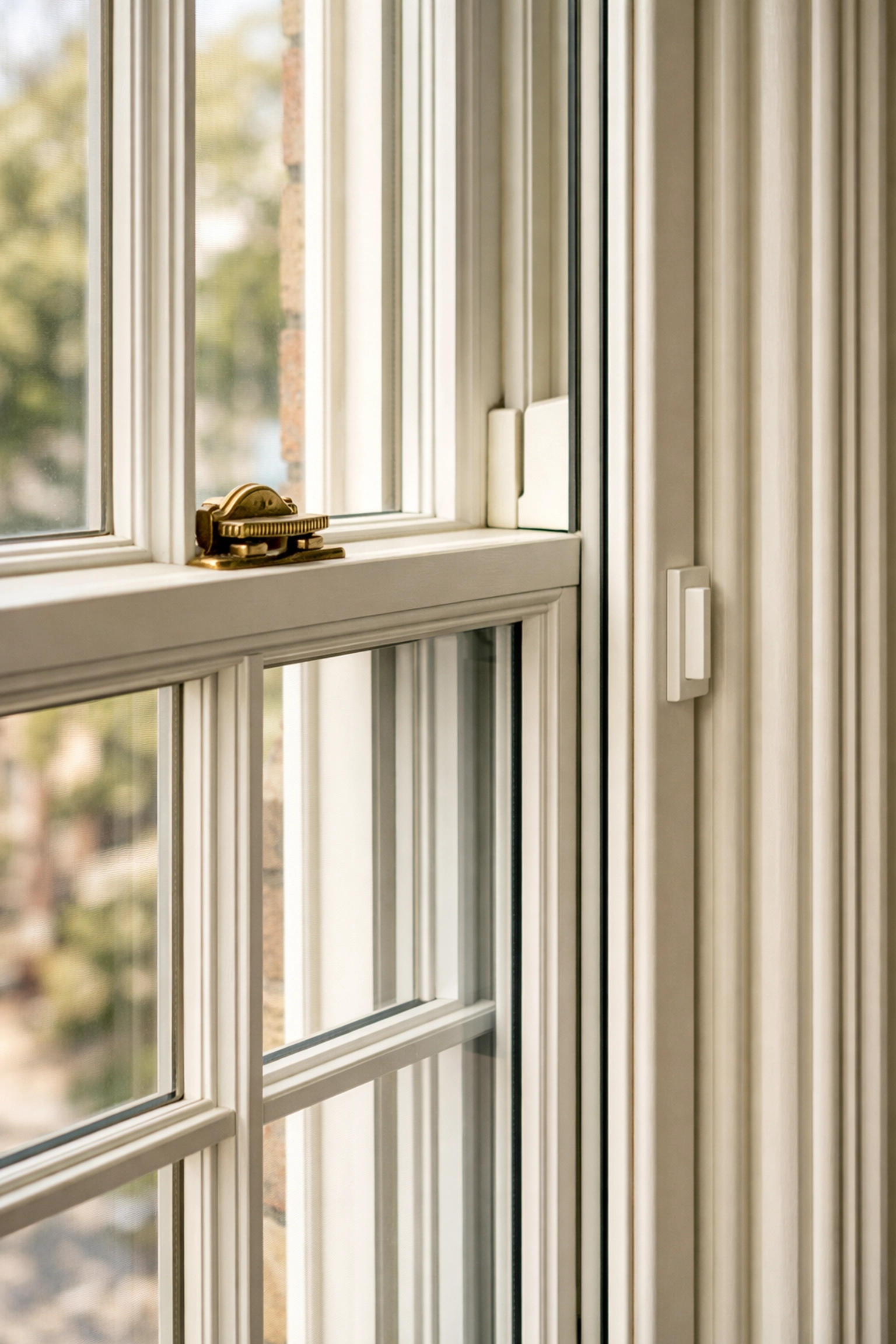
Standard float glass reflects some sound but allows much of it through. Acoustic laminate glass works differently. The 10.8mm specification consists of two panes of glass bonded together with a specialized acoustic interlayer: typically polyvinyl butyral (PVB).
This interlayer acts as a damping core. When sound waves hit the glass, the PVB absorbs and dissipates the energy rather than transmitting it through. The result is measurable noise reduction across the frequency spectrum that matters most for urban properties.
The performance difference is substantial:
- Traffic noise: Reduced by 45-50 decibels
- Voices and street activity: Reduced by 40-45 decibels
- Low-frequency rumble: Reduced by 35-40 decibels
For heritage homes in high-traffic areas, 10.8mm acoustic laminate paired with proper secondary glazing frames can transform an unbearably noisy bedroom into a genuinely quiet sanctuary.
Specialists like those at London Secondary Glazing work specifically with listed properties to specify the right acoustic performance for each window position, taking into account the noise exposure, room usage, and existing window configuration.
Beyond Soundproofing: The Hidden Benefits
While acoustic performance drives most heritage homeowners toward secondary glazing, the additional benefits matter just as much.
Thermal efficiency improves dramatically. That air gap between your original window and the secondary pane acts as insulation, reducing heat loss by over 60%. For period properties with single-glazed windows, this translates to noticeably warmer rooms in winter and lower heating bills year-round.
Security gets upgraded without visible changes. Modern secondary glazing systems include internal locks that would-be intruders can't access from outside. Your original windows can even remain purely decorative while the secondary glazing handles the security function.
Condensation decreases substantially. The secondary pane stays warmer than your original single-glazed window, reducing the temperature differential that causes condensation to form. This protects both your window frames and your interior walls from moisture damage.
For a property investment perspective, these improvements enhance both comfort and value without triggering the planning applications and potential refusals that come with more invasive alterations.
What Installation Actually Involves
The installation process is surprisingly straightforward, especially compared to the complexity of listed building applications for window replacement.
A specialist surveyor visits your property to measure each window and assess the existing reveals. They'll discuss acoustic priorities: street-facing windows typically need higher specifications than those overlooking quiet courtyards: and show frame samples that coordinate with your interior.
Manufacturing takes 4-6 weeks for bespoke frames that fit your exact window dimensions. Installation itself is remarkably quick: most heritage properties have their secondary glazing fitted within 2-3 days, with minimal disruption and no external work that requires scaffolding or street access.
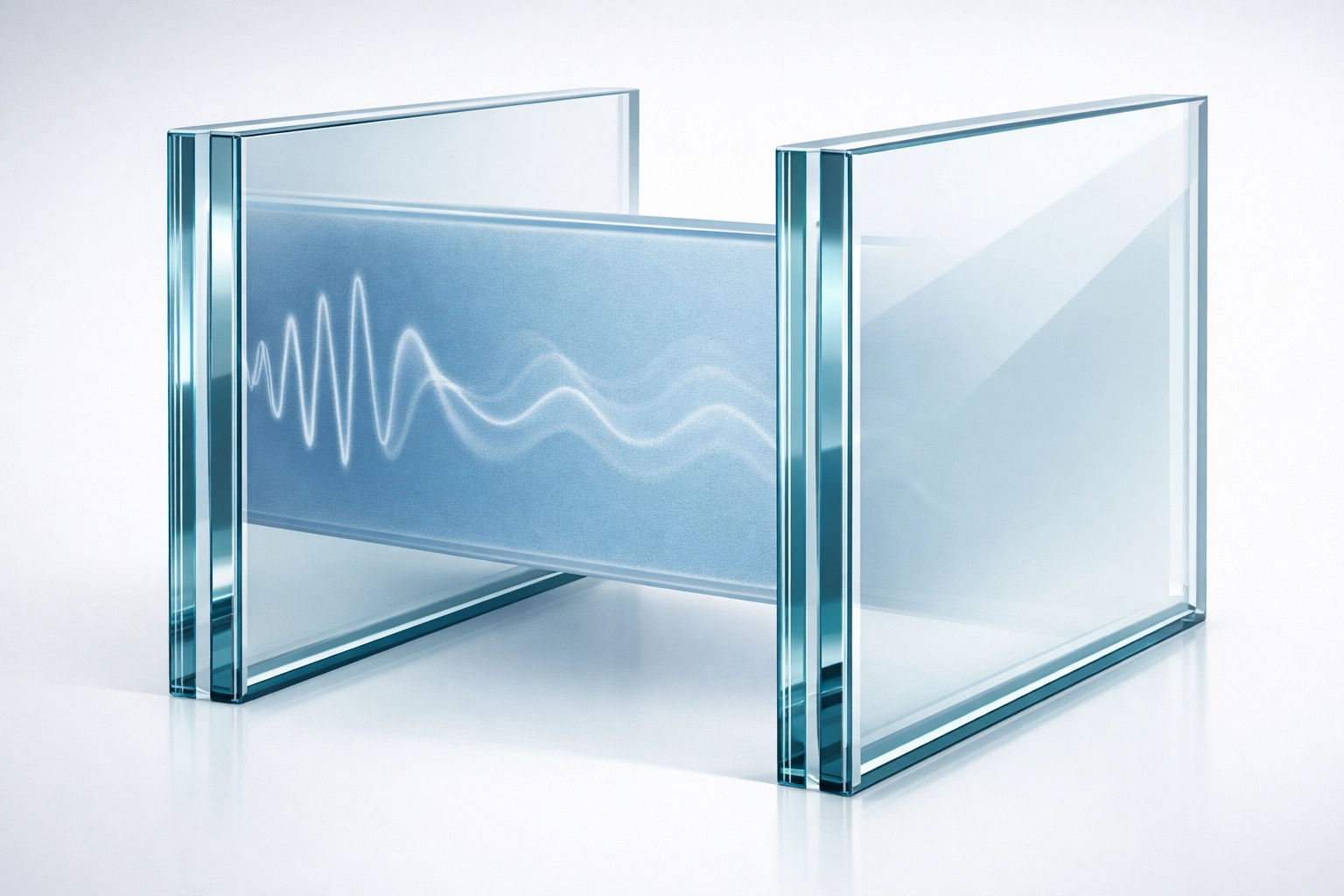
The frames can be hinged, sliding, or lift-out depending on your window configuration and how often you need access to the original windows for cleaning or maintenance. For sash windows, side-hinged frames work beautifully. For casement windows, vertical sliders often make the most sense.
Importantly, installation causes no permanent alteration to your property. The secondary frames attach to the existing reveals using discrete fixings that can be removed and filled without trace should you ever need to reverse the installation.
The Mayfair Difference
There's a reason why secondary glazing has become standard in prestigious postcodes. Heritage property owners in Mayfair, Belgravia, and Knightsbridge have demanding requirements: they want modern comfort without compromising the architectural details that make their homes valuable and beautiful.
Secondary glazing delivers exactly that combination. It's the solution that lets you enjoy peaceful evenings in your drawing room, sleep undisturbed in street-facing bedrooms, and work from home studies without traffic noise intrusion: all while maintaining the exterior appearance that planning authorities and neighbors expect.
For properties where heritage preservation isn't optional but mandatory, high-acoustic secondary glazing represents not just an upgrade but the only practical path to improved livability. It's discrete, effective, reversible, and approved: everything a heritage property solution needs to be.
If your period home still has its original single-glazed windows and you're tired of hearing every delivery van and evening pedestrian, it might be time to discover what Mayfair's finest addresses already know: sometimes the best solutions are the ones nobody sees.
Ready to Discuss Your Project?
Whether you need secondary glazing, heritage window restoration, or a bespoke glass solution — we're here to help.